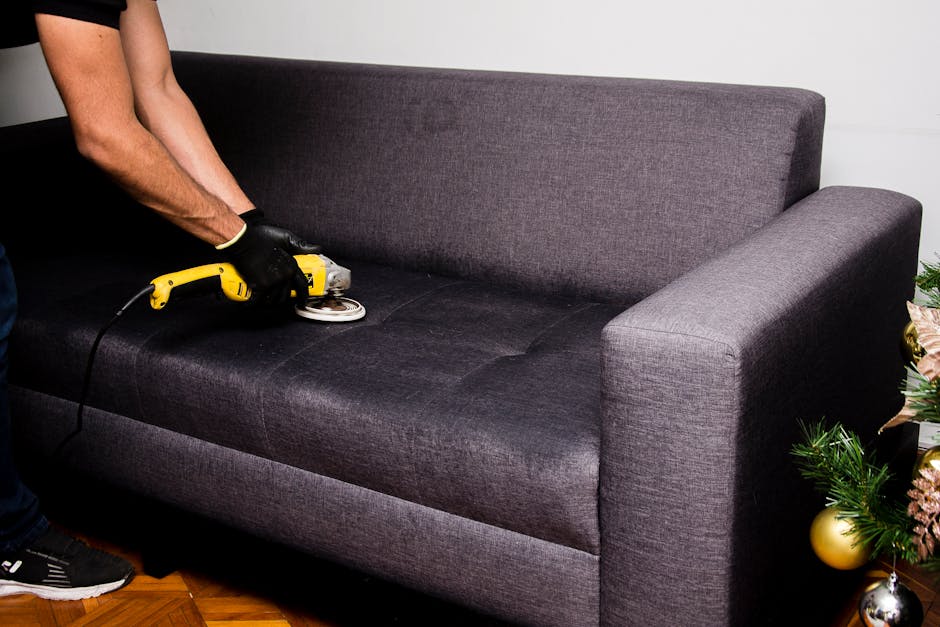
Queens Park upholstery cleaning tips for busy families
If your home feels like it is always in motion, you are not alone. Between school runs, packed lunches, muddy shoes, snacks on the sofa and the occasional mystery mark on the armchair, upholstery can start looking tired fast. This guide to Queens Park upholstery cleaning tips for busy families is written for real life: short on time, full of little messes, and not remotely perfect. The good news? With the right routine, you can keep sofas, dining chairs and soft furnishings looking fresher without turning your week upside down.
Below, you will find practical cleaning methods, what to do with common stains, when to use gentle DIY care, and when a professional clean makes more sense. There is also a simple checklist, a comparison table, and answers to the questions families ask most often. Nothing fancy. Just useful, local, workable advice.
Table of Contents
- Why Queens Park upholstery cleaning tips for busy families Matters
- How Queens Park upholstery cleaning tips for busy families Works
- Key Benefits and Practical Advantages
- Who This Is For and When It Makes Sense
- Step-by-Step Guidance
- Expert Tips for Better Results
- Common Mistakes to Avoid
- Tools, Resources and Recommendations
- Law, Compliance, Standards, or Best Practice
- Options, Methods, or Comparison Table
- Case Study or Real-World Example
- Practical Checklist
- Conclusion
- Frequently Asked Questions
Why Queens Park upholstery cleaning tips for busy families Matters
Upholstery is one of those things you stop noticing until it suddenly looks grimy. Then, once you see it, you cannot unsee it. In a family home, fabric furniture takes daily wear from food crumbs, damp coats, pet hair, sticky hands, school bags, and the small accidents that seem to happen right after you have just finished tidying. Queens Park households are no different. Busy families need upholstery care that fits around life, not the other way round.
Regular cleaning matters for more than appearance. Soft furnishings can hold onto dust, odours, skin oils and spills, and that build-up can make a room feel less fresh even when the rest of the house is tidy. If someone in the home has allergies, sensitive skin, or simply dislikes the smell of stale fabric, staying on top of upholstery care can make everyday living a bit easier. Not glamorous, sure, but genuinely helpful.
There is also a practical side. A small spill left too long can become a much bigger problem later. The more often you let everyday dirt settle in, the harder it is to lift without damaging fibres. And let's face it, nobody wants to spend a Saturday afternoon scrubbing a sofa while the kids are bouncing off the walls.
For families in Queens Park, a smart cleaning routine is less about perfection and more about control. Keep the fabric from reaching that "oh no" stage, and you save time, money and stress. That is the real win.
How Queens Park upholstery cleaning tips for busy families Works
The basic idea is simple: remove loose soil, treat fresh marks quickly, clean the fabric safely, and let it dry properly. The method changes depending on the material, the age of the stain and how much time you have. Most busy families do best with a layered approach rather than one big deep-cleaning marathon every now and then.
A sensible upholstery routine usually has three parts:
- Daily or near-daily maintenance such as vacuuming crumbs, brushing off pet hair and blotting new spills straight away.
- Occasional targeted cleaning for marks, smells or high-traffic areas like armrests and seat cushions.
- Periodic deep cleaning using the correct method for the fabric, or booking a professional upholstery cleaning service when the job is bigger than a quick refresh.
The exact cleaning approach depends on the upholstery type. Cotton, linen blends, synthetic fabrics, velvet, leather-look materials and textured weaves all behave differently. Some tolerate water-based cleaning well; others can watermark, shrink, or look patchy if you over-wet them. That is why a fabric care label matters. If you have ever wondered why one cushion dries perfectly and another looks slightly tired and blotchy, the fabric type is usually the reason.
Busy families often find the best results come from setting one tiny rule: deal with messes while they are still fresh. Honestly, a two-minute blot now can save a twenty-minute rescue job later. In our experience, that one habit makes the biggest difference.
Key Benefits and Practical Advantages
Good upholstery care gives you more than a cleaner-looking sofa. For families juggling work, school, hobbies and everything else, the benefits are surprisingly practical.
- Less visible wear: Regular care helps soften the look of everyday traffic marks on arms, headrests and seat fronts.
- Better smell control: Fabrics can hold food smells, damp odours and pet notes. Routine cleaning helps keep the room feeling fresher.
- Longer fabric life: Dirt acts a bit like sandpaper. Removing it regularly helps reduce fibre wear over time.
- Faster emergency clean-ups: If you already have a routine, panic is less likely when juice, ketchup or muddy marks land on the cushions.
- More relaxed family living: A sofa you are not afraid to use is oddly freeing. You can actually sit down and enjoy it.
There is also a small but real psychological benefit. A tidy, fresh-smelling seating area tends to make the whole room feel more under control. That matters when the day has been noisy, rushed or just a bit too much. Little wins count.
Expert summary: For busy households, the best upholstery cleaning plan is not the most intense one. It is the one you can repeat consistently without dreading it.
Who This Is For and When It Makes Sense
This guide is especially useful if your home includes young children, pets, shared family seating, or frequent visitors. It also makes sense if you rent, because keeping upholstery presentable can help the property feel cared for. If you live in Queens Park and your furniture gets regular use from morning to night, you are exactly the kind of household that benefits from a simple system.
It may be time to take upholstery care more seriously if you notice any of the following:
- the sofa looks darker in the most-used seats
- there is a lingering smell even after the room has been aired out
- food spills keep returning to the same cushions
- pet hair clings to the fabric no matter how often you brush it
- the fabric feels sticky, dull or rough
- you have tried spot-cleaning and the mark has spread instead of fading
It also makes sense to call in extra help when the furniture is valuable, delicate, heavily stained, or has been neglected for a while. Some jobs are simple enough for home care. Others are not. And that is fine. No need to wrestle with a sofa that has clearly won the first round.
If you want a broader sense of what a specialist approach can include, the main sofa cleaning and stain-focused services can be a useful next step for comparison.
Step-by-Step Guidance
Here is a straightforward process that works well for busy families. It is designed to be realistic, not idealised.
1. Identify the fabric before you clean
Check the care label first. This sounds obvious, but it is the step people skip when they are in a hurry. The label usually gives useful cleaning codes or warnings about water use. If the item is labelled for professional care only, take that seriously.
2. Remove loose dirt and crumbs
Use a vacuum with an upholstery attachment, a soft brush, or a lint roller for a quick pass. Focus on seams, under cushions, and the spots where snacks seem to disappear. That little ridge between seat and backrest? Crumb magnet. Every time.
3. Deal with spills as soon as possible
Blot the spill with a clean, dry cloth. Do not rub. Rubbing pushes the stain deeper and can rough up the fibres. Work from the outside of the mark inward so it does not spread. If the stain is greasy, gently lift excess first before adding any cleaning solution.
4. Use the mildest safe cleaning method
For many family-friendly fabrics, a small amount of diluted upholstery-safe cleaner or a mild solution can be enough. Test in a hidden area first. Wait for it to dry. Then check for colour change, water marks or texture changes. To be fair, this little test step is boring. It is also the bit that saves you from regret.
5. Dry the area properly
Airflow matters. Open a window if you can, or use gentle ventilation. The aim is to avoid a damp smell and prevent moisture from lingering in the filling. Do not sit the family back down on a freshly cleaned cushion until it is dry enough to feel normal, not cool or clammy.
6. Reset the routine
Once the urgent problem is dealt with, set a repeating habit: a quick vacuum on one day, spot checks on another, deeper attention once every few weeks. A tiny schedule beats a heroic clean that never happens. Truth be told, most busy families only need a simple repeatable rhythm.
Expert Tips for Better Results
These are the small details that make a big difference, especially in a home that gets a lot of use.
- Treat high-touch zones first. Armrests, headrests and the middle cushion usually need more attention than the rest.
- Use white or light-coloured cloths for blotting. Coloured cloths can transfer dye, especially if you add moisture.
- Keep a small fabric care kit together. If the cloths, gloves and cleaner are all in one place, you are more likely to use them.
- Rotate cushions where possible. This spreads wear and helps the furniture age more evenly.
- Open curtains or windows after cleaning. Fresh air helps drying and reduces that closed-up smell.
- Be extra careful with mixed fabrics. A sofa may look uniform, but different panels can react differently to moisture or cleaner.
A helpful mindset is to think in layers: remove dirt, lift the stain, reduce odour, dry the fabric. Simple, but effective. If you skip a layer, the result is often only half-finished. And then the mark comes back, because of course it does.
If your furniture also picks up pet odours or paw marks, it can help to look at the more targeted options for pet stain and odour removal rather than using a one-size-fits-all approach.
Common Mistakes to Avoid
Busy households usually do not ruin upholstery because they do nothing. More often, the problem is rushing, over-wetting or using the wrong product. A few classic mistakes show up again and again.
- Scrubbing hard: This can spread the stain and distort the pile or weave.
- Using too much water: Excess moisture can leave marks, odours and longer drying times.
- Ignoring the fabric code: Some fabrics are not meant for water-based cleaning at all.
- Testing nowhere first: Always spot-test in a hidden area. Always.
- Using strong cleaners too quickly: Harsh products can bleach or weaken delicate materials.
- Leaving cushions damp: Moisture trapped inside can create a stale smell and encourage re-soiling.
- Forgetting the backing or seams: Dirt often builds up there first.
One subtle mistake is trying to solve every problem at once. A stain, an odour and a full-room refresh are not always the same job. Separate them. It makes the process calmer and usually gets you a better result. A bit less heroic, but much smarter.
Tools, Resources and Recommendations
You do not need a cupboard full of specialist gear to keep upholstery in better shape. A few well-chosen items go a long way.
| Tool or item | What it helps with | Best for busy families |
|---|---|---|
| Upholstery attachment vacuum | Crumbs, dust, pet hair, loose dirt | Quick weekly maintenance |
| Microfibre cloths | Blotting spills, wiping surfaces gently | Fast stain response |
| Soft brush | Loosening dust and hair from textured fabrics | High-use family seating |
| Fabric-safe cleaner | Targeted spot treatment | When a stain is fresh and the fabric allows it |
| Lint roller | Pet hair and surface fluff | Between deeper cleans |
| Fan or open-window airflow | Drying after cleaning | Helps prevent damp smells |
If you are comparing professional cleaning routes, it can be useful to check the pricing and quotes information before you book, so you know what sort of service level suits your home. For families who want a broader clean across fabrics and soft furnishings, related services such as rug cleaning, curtain cleaning and mattress cleaning can sometimes be combined into one sensible housekeeping refresh.
Law, Compliance, Standards, or Best Practice
For home upholstery cleaning, there is not usually a complicated legal checklist to follow, but there are still sensible UK best-practice points worth keeping in mind. First, always follow the manufacturer's care instructions. Those instructions are the nearest thing you have to the fabric's rulebook. Ignoring them can void warranties or cause avoidable damage.
If you hire a cleaning company, it is reasonable to check that they have suitable insurance, follow sensible health and safety practices, and can explain how they handle different fabrics. Good businesses should be clear about what is included, what is excluded, and how they approach delicate materials. If you are the cautious type, that is not being awkward. That is being sensible.
For homes with children or pets, best practice also means choosing products carefully and ensuring the furniture dries properly before regular use. Damp upholstery can feel uncomfortable and may affect indoor air quality in a small way. No need for alarm, just be practical.
It can also help to choose companies that are transparent about their policies and service standards. Pages such as health and safety policy, insurance and safety, terms and conditions, and privacy policy give a useful sense of how carefully a business is run. That reassurance matters, especially when you are letting someone work inside a family home.
Options, Methods, or Comparison Table
Busy families usually choose between doing the job themselves, using a light maintenance service, or booking a full professional clean. Each has a place.
| Method | Best for | Pros | Limits |
|---|---|---|---|
| DIY spot cleaning | Fresh spills and small marks | Fast, low cost, flexible | Easy to over-wet or use the wrong product |
| Routine home vacuuming and care | General upkeep | Keeps furniture fresher between deeper cleans | Won't remove deep-set dirt or smells |
| Professional upholstery cleaning | Heavier soil, odours, delicate or valuable fabric | More thorough, fabric-aware, time-saving | Needs booking, drying time, and a budget |
| Combined soft-furnishing clean | Whole-room refresh | Can tackle sofas, rugs, curtains and more together | May be more than you need for a single small stain |
In a busy home, the best option is often a mix. Tackle small problems early, keep up with quick maintenance, and bring in a specialist when the job starts to outgrow your time or confidence. That is not giving up. That is just good household management.
Case Study or Real-World Example
Picture a Queens Park family with two school-age children, a dog, and a light-coloured corner sofa in the living room. On weekdays, the sofa is used for homework, snacks, phone charging, cartoon time and the occasional nap. By Friday, the arms look a bit dull, there is a faint smell of chips from an earlier dinner, and one cushion has a small juice mark that keeps catching the light.
Instead of waiting until the sofa looked "really bad", the family broke the work into manageable steps. They vacuumed the seams on a Monday evening, dabbed the juice mark straight away, and used a mild fabric-safe clean only on the affected area after testing it first. The cushions were rotated, the windows opened, and the sofa was left alone to dry fully. A few weeks later, when the family noticed the smell returning slightly, they arranged a more thorough clean rather than trying to chase the problem with heavier DIY products.
The important part is not that the sofa became perfect. It did not. Real homes are lived in. But it stayed presentable, the mark never became a disaster, and the family stopped dreading the sofa every time the lights were on. Small victory, but a proper one.
Practical Checklist
Use this quick checklist when you want a fast, sensible approach to upholstery care in a busy home.
- Check the care label before using any liquid cleaner
- Vacuum crumbs, dust and pet hair regularly
- Blot spills quickly instead of rubbing
- Test any cleaning product in a hidden area
- Use the mildest safe method first
- Do not soak the fabric
- Allow proper drying time with good airflow
- Rotate cushions where possible
- Address odours separately from stains if needed
- Book professional help for delicate, valuable or heavily soiled items
If you only remember one thing, make it this: keep cleaning small, early and consistent. That is where the real difference happens.
Conclusion
For busy households, upholstery care should feel manageable, not draining. The best Queens Park upholstery cleaning tips for busy families are the ones that fit real routines: quick vacuuming, prompt spill treatment, careful fabric checks and sensible decisions about when to call in professional help. You do not need a perfect home. You just need a plan that keeps your furniture looking cared for and your week a little less chaotic.
When you treat upholstery as part of everyday home maintenance rather than a once-a-year panic job, everything becomes easier. The sofa lasts longer, the room feels fresher, and the cleaning stress drops a little. Honestly, that is worth quite a lot.
Get a free quote today and see how much you can save.
And if all you do after reading this is clean one cushion properly, that still counts. Progress is progress.
Frequently Asked Questions
How often should a busy family clean upholstery?
For most busy homes, light upkeep weekly and spot cleaning as needed is a good baseline. A deeper clean may be needed every few months depending on use, fabric type and whether children or pets use the furniture heavily.
What is the safest way to remove a fresh stain from a sofa?
Blot the stain gently with a clean dry cloth first. Do not rub. Then use the mildest fabric-safe method that suits the care label, testing in a hidden area before treating the visible mark.
Can I use household cleaners on upholstery?
Sometimes, but not always. Upholstery fabrics vary a lot, and some household cleaners are too strong or leave residue. If in doubt, use a product designed for fabric care or choose professional cleaning.
How do I stop upholstery from smelling stale?
Vacuum regularly, avoid letting damp spills sit, and make sure the furniture dries fully after any cleaning. Odours can also come from trapped dust, pet hair or food residue, so regular maintenance really helps.
Is steam cleaning safe for all upholstery?
No, not for all fabrics. Steam or hot moisture can damage some materials, cause shrinkage or leave marks. Always check the fabric label first and use the method recommended for that specific upholstery.
What should I do if a stain gets worse when I clean it?
Stop immediately. Overworking the area can spread the mark or damage the fibres. Let it dry, avoid adding more product, and consider professional stain removal if the fabric is delicate or the stain has set.
How can I keep light-coloured upholstery clean with children around?
Use throws strategically, vacuum often, and deal with spills the moment they happen. A light-coloured sofa can still work in a family room if you keep a sensible routine. It just needs more regular attention.
Are pet hair and odours different cleaning problems?
Yes. Pet hair is usually a surface maintenance issue, while odours may come from deeper in the fabric or filling. Hair can often be lifted with vacuuming or a lint roller, but odour may need a more targeted treatment.
How do I know if I should book professional upholstery cleaning?
If the furniture is heavily used, the stain has set, the fabric is delicate, or the odour will not shift with normal care, professional help is often the better option. It can also save time, which matters in a busy household.
Can professional cleaning help with armrest marks and general dullness?
Yes, that is one of the most common reasons families book a clean. Armrest marks, seating wear and dull patches often respond well to a proper fabric-safe service, especially when the furniture has not been deep-cleaned for a while.
What is the biggest mistake busy families make with upholstery?
Leaving spills too long is a big one, but using the wrong amount of water is close behind. People often try to fix a mark quickly and accidentally make it harder to remove. Small, careful action tends to work best.
Can I combine sofa cleaning with other soft furnishing jobs?
Often, yes. If several items need attention, it can be sensible to deal with them together, such as sofas, rugs, curtains or mattresses. That can make the whole home feel fresher in one go and save time overall.